Arrive at Maun International Airport, Botswana - the gateway to Northern Botswana.
Travel by road to Grasslands Safari Lodge while learning about Botswana’s people, wildlife, culture, and way of life (approximately 5 hours, including 16 farm gates).
Settle into your accommodation.
Attend a comprehensive safety briefing covering wildlife, predators, horses, and lodge operations.
Join a cultural briefing introducing the San Bushmen and Naro traditions.
Enjoy a magical first encounter with the San Bushmen and learn about their cultural preservation efforts.
Welcome dinner at the lodge.
Löysimme {{ category.count + ' ' + (category.count == 1? category.label:category.pluralLabel) }} ja {{ category.count + ' ' + (category.count == 1? category.label:category.pluralLabel) }} haulle '{{ searchTerm }}'
0 Results found
Hae matkakohteita, aktiviteetteja, yliopistoja, kokemuksia...
Löysimme {{ category.count + ' ' + (category.count == 1? category.label:category.pluralLabel) }} ja {{ category.count + ' ' + (category.count == 1? category.label:category.pluralLabel) }} haulle '{{ searchTerm }}'
0 Results found
{{ cardLists.others.label }}
Asiakastuki
{{ cardSlider.label }}
Asiakastuki

Etkö löytänyt etsimääsi?
Ota yhteyttä, niin autamme sinua eteenpäin matkasuunnitelmissasi.
Itinerary
Botswana Grasslands Conservation Program
Day 1 - Arrival Day and Introductions, Safety, Cultural Awareness
Day 2 - Orientation & Introductions
Begin your journey with a comprehensive orientation designed to help you settle into life at Grasslands and become familiar with the reserve, its wildlife, and conservation objectives.
Explore the property on a guided tour, visiting key areas such as waterholes, predator camps, horse facilities, and reserve boundaries while gaining an understanding of daily operations.
Learn about wildlife safety, conservation practices, and the importance of respectful cultural engagement within the local community.
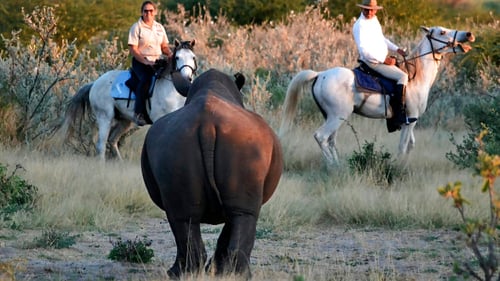
Participate in introductory activities that provide insight into horse care, predator management, and rhino conservation, while learning about the role each plays within the broader ecosystem.
Gain hands-on experience with wildlife monitoring techniques, including the use of camera traps, species identification, and data collection methods used to support ongoing conservation efforts.
Meet fellow volunteers and project staff, ask questions, and develop an understanding of the rewarding experiences and meaningful contributions that await during your time in the Kalahari.
Day 3 - Cultural & Conservation Activities
Begin the day with hands-on animal care, assisting with feeding horses, providing supplementary feed for rhinos, and releasing horses into larger camps for daily grazing and movement.
Join the San Bushmen for an immersive cultural experience, learning traditional bush skills such as animal tracking, fire making, survival techniques, and interpreting the natural environment of the Kalahari.
Support predator conservation efforts through involvement in the African wild dog programme, including feeding routines and gaining insight into predator management and conservation goals.
Participate in wildlife monitoring activities at waterholes, recording key data such as species sightings, population numbers, gender ratios, and the presence of young animals.
Assist with fence inspections across predator and wildlife areas, helping to ensure enclosure integrity and effective reserve management.
Support the care and training of horses by assisting with grooming, handling, arena setup, and daily stable tasks. Volunteers with suitable riding experience may also have the opportunity to participate in supervised riding and mounted games training.
Spend time reviewing and discussing wildlife observations and camera trap data, supporting ongoing monitoring and research into animal movement patterns.
Day 4 - Wildlife Monitoring & Horse Riding
Join horse outrides through the surrounding landscape, assisting as needed while gaining riding experience and an appreciation for the natural environment.
Support a variety of practical conservation and farm tasks, including predator feeding assistance, and general operational duties where required.
Carry out fence inspections across key areas of the reserve, focusing on predator enclosures, rhino zones, and high wildlife movement corridors to ensure safety and security.
Participate in wildlife monitoring activities at waterholes, observing and recording animal activity and contributing to ongoing ecological data collection.
Use dedicated time to review and discuss wildlife observations, including species diversity, behavioral notes, and camera trap findings from earlier in the day.
Day 5 - Rhino Tracking & Waterhole Monitoring
Begin the day with hands-on horse care, assisting with feeding routines and moving horses into larger grazing camps to support their wellbeing and natural movement.
Join the conservation team for field-based rhino monitoring and patrols, assisting with fence inspections and basic repairs to help maintain secure wildlife areas.
Participate in wildlife monitoring activities at key waterholes and surrounding areas, observing animal behavior and recording important sightings.
Spend time in the field either on mounted patrols across the reserve or quietly observing wildlife at waterholes, gaining deeper insight into animal movements and behavior.
Assist with the setup and positioning of night cameras to capture nocturnal wildlife activity and support ongoing ecological research.
Continue wildlife monitoring observations throughout the day, contributing to consistent data collection across the reserve.
Use dedicated time to review and process wildlife records, including waterhole observations, camera trap footage, and conservation data logs.
Day 6 - Camera Monitoring & Predator Camp Work
Begin the day with hands-on horse care, assisting with feeding routines and moving horses into larger grazing camps to support their wellbeing and natural movement.
Retrieve and process wildlife camera traps, reviewing overnight footage and recording key sightings to support ongoing monitoring and research efforts.
Assist with predator rehabilitation camp maintenance, including cleaning enclosures
Carry out fence inspections and basic maintenance across predator enclosures and key wildlife movement zones to support safety and reserve integrity.
Participate in wildlife monitoring activities at waterholes, observing and recording animal behavior and movement patterns throughout the day.
Day 7 - Free Day / Optional Activities
Enjoy optional free time activities such as game drives, horse riding, wildlife viewing, or simply relaxing at the lodge and taking in the surrounding natural environment.
Support daily operations by assisting with predator care, including feeding routines and contributing to general lodge preparation and readiness.
Participate in ongoing wildlife monitoring activities, helping to track, observe, and record animal behavior and movement across the reserve.
Dedicate time to reviewing and consolidating the week’s conservation data, including wildlife observations and camera trap footage.
Assist with analyzing findings and updating official records, contributing to the long-term monitoring and management of wildlife within the reserve.
Day 8 - Waterhole maintenance & horse training
Begin the day with hands-on horse care, assisting with feeding routines and moving horses into larger grazing camps for exercise and wellbeing.
Assist with cleaning and maintaining animal waterholes to ensure a healthy and sustainable water supply for wildlife and livestock.
Support fence patrols by checking predator and wildlife enclosures, particularly during waterhole maintenance activities, to ensure safety and structural integrity.
Participate in Western Mounted Horse Games training, including arena setup and practical riding development where appropriate.
Take part in wildlife monitoring activities, supporting observation and recording of animal behavior and movements across the reserve.
Use dedicated time to process and review waterhole observations and camera trap footage, updating logs and contributing to ongoing conservation records.
Day 9 - Game Drive & Fence Patrol
Participate in guided game drives to observe and monitor wildlife in their natural habitat, gaining insight into animal behavior, movement patterns, and broader ecosystem dynamics.
Assist with the maintenance of predator enclosures, including cleaning camps, inspecting boundary fences, and carrying out basic repairs to support the safety and wellbeing of the animals.
Support ongoing wildlife monitoring by reviewing camera trap footage, analyzing waterhole activity, and contributing to the identification of species trends and population movements.
Contribute to conservation management through accurate recording of field observations and assisting with data collection used for research and wildlife protection initiatives.
Day 10 - San Tool-Making Experience
Join the San Bushmen for an immersive cultural experience, learning traditional skills such as tool-making and gaining insight into one of the world’s oldest living cultures.
Take part in traditional San games and cultural activities, offering a unique perspective on Bushmen heritage, traditions, and way of life.
Assist with predator feeding under the supervision of experienced staff, supporting the care, feeding, and management of the resident animals.
Support ongoing wildlife monitoring by reviewing waterhole observations and camera trap footage, contributing to the tracking of wildlife movement and behavior patterns.
Enjoy free time to relax, explore the surrounding wilderness, or reflect on your experiences in the heart of the Kalahari.
Day 11 - Horse Camp Cleaning & Wildlife Monitoring
Assist with the cleaning and maintenance of horse camps, including responsible waste management and composting to support sustainable land use practices.
Help prepare and care for horses ahead of outrides, ensuring they are healthy, well-groomed, and ready for daily activities.
Participate in wildlife monitoring by recording key data at waterholes, including species sightings, population numbers, gender ratios, and the presence of young animals.
Support conservation research through the setup and maintenance of camera traps used to monitor nocturnal wildlife and collect valuable ecological data.
Conduct fence patrols across horse and predator rehabilitation enclosures, helping to maintain secure boundaries and ensure the safety of both wildlife and infrastructure.
Review wildlife observations and camera trap footage, contributing to ongoing monitoring efforts and deepening understanding of animal behavior and movement patterns.
Gain valuable insight into wildlife conservation, animal management, and the unique ecology of the Kalahari ecosystem.
Day 12 - Camera Monitoring & Predator Camp Work
Retrieve, maintain, and manage camera traps used for nocturnal wildlife monitoring, reviewing footage and recording key sightings and behavioral observations.
Assist with the cleaning and upkeep of predator rehabilitation camps, helping to maintain a safe, hygienic, and well-managed environment for the animals.
Conduct fence patrols around predator enclosures, inspecting boundaries and reporting any maintenance needs to support animal welfare and reserve security.
Participate in regular wildlife monitoring at waterholes, collecting data on species diversity, population numbers, and animal movement patterns.
Support conservation research by consolidating field observations, analyzing camera trap footage, and contributing to ongoing monitoring and management programmes.
Gain practical, hands-on experience in wildlife conservation while working alongside experienced guides and conservation staff.
Day 13 - Rhino Tracking & Fence Patrol
Participate in rhino patrols and fence inspections, including basic repairs, supporting both wildlife conservation efforts and the maintenance of secure reserve boundaries.
Assist with predator feeding and horse care activities, contributing to the wellbeing and daily management of resident animals.
Take part in wildlife monitoring sessions at set intervals, supporting the observation and recording of animal movements and behavior across the reserve.
Use dedicated time for skill development by reviewing and processing waterhole observations and camera trap footage, contributing to ongoing conservation data and research outputs.
Day 14 - Free Day / Optional Activities
Enjoy optional activities such as game drives, horse riding, wildlife viewing, or exploring the reserve, offering opportunities to experience the beauty and biodiversity of the Kalahari.
Assist with predator feeding under the supervision of experienced staff, contributing to the care, feeding, and management of resident animals.
Participate in wildlife monitoring activities, helping to collect valuable data on animal sightings, behavior, and movement patterns across the reserve.
Review and consolidate wildlife monitoring records and camera trap data, contributing to ongoing conservation research and summarising key weekly observations.
Reflect on your experiences and the impact of your contribution while gaining a deeper understanding of wildlife conservation and reserve management.
Day 15 - Departure
Depart for Maun International Airport for your onward journey, or continue your travels through Botswana and beyond.
Take time to reflect on the experiences, connections, and conservation contributions made during your stay, leaving with lasting memories of the Kalahari, its wildlife, and its people.
Please note:
*Please note that activities, schedules, and course details may be subject to change due to operational requirements, weather conditions, or conservation priorities.
What you will be doing:
Rhino Conservation Support: Assist with patrols, observation, and awareness initiatives that protect our white rhinos.
Predator Project Work: Help monitor lions, cheetahs, and other predators through data collection and field observation.
Wildlife Monitoring: Join bush walks and safaris to record sightings and learn traditional tracking from San guides.
Horse Program Assistance: Work with our horses – feeding, grooming, and enjoying guided rides through the Kalahari bush.
San Cultural Preservation: Learn and share in traditional skills, join cultural evenings, and play the San game X’abi.
Bush Clearing & Habitat Management: Assist in removing invasive plants and maintaining healthy grasslands for wildlife.
Volunteer Program Objectives
1. Cultural Preservation
Work alongside the San Bushmen
Learn survival, tracking, and traditional bush skills
Support the preservation of Naro culture
2. Conservation Efforts
Rhino tracking and monitoring
Predator conservation, including African wild dogs
Daily wildlife monitoring at lodge waterholes
Fence patrols
Camera trap setup and review
3. Skill Development & Personal Growth
Wildlife conservation
Cultural heritage projects
Immerse yourself fully in the Kalahari environment
Insurance
Due to the lodge’s remote Kalahari location, it is essential that all volunteers have comprehensive medical insurance, including coverage for medical evacuation to Maun and onward transfer to South Africa if required.
Inclusions
Airport transfers to/from project
14 nights accommodation
3 daily meals
Cultural experiences with San community
Volunteer activities and conservation guidance
Certificate of participation
Mandatory Volunteer Requirements
Completed Application form
Basic level of competency in English
Copy of return flight itinerary
Passport should have at least 6 months validity left after the end of your trip. There should also be at least two blank pages.
Medium level of fitness
Medical Insurance that includes evacuation
What Makes a Good Volunteer?
Volunteers need to be flexible and keep an open mind concerning their placements as situations can arise beyond our control which could require you to be placed at a different project than the one you have initially chosen. We will of course always do our utmost to fulfill your initial wishes but do remember that where you are going is quite different from where you are coming and as such one should be prepared for things not always going according to plan.
Volunteering and intercultural travel share a common trait: the more you put into it, the more you get out of it. This program is designed for proactive individuals and groups that are prepared to adapt to the local environment and its current needs. Naturally, the scheduling and activities of our program are subject to change. Alterations in activities are mainly due to changes in local conditions, which we believe is part of what makes overseas programs the interesting adventure and incredible learning experience that they are.
How Long Should I Volunteer?
Our projects range from 1 week up to approx. 30 weeks. Projects have a specified minimum stay, then it’s up to you how long you can commit. In our experience the longer you stay the more you will gain, as your understanding of the project broadens and you take on more responsibilities. Every volunteer will be given a certificate of appreciation at the end of their stay as a symbol of volunteering stay.
Yhteenveto
What’s included?
Accommodation
Volunteers stay in a rustic yet comfortable tented camp, a short distance from the lodge, a safe, welcoming space in the heart of the Kalahari.
The camp consists of:
Comfortable tents with stretcher beds.
Shared flush toilets and showers nearby.
Basic solar electricity for device charging.
Hot water via a rustic boiler.
The camp is not fenced.
The tented camp offers a cozy, rustic lounge area where volunteers and staff come together to relax and share experiences. Set on a simple concrete slab with an iron-sheet roof, this open-air space blends effortlessly with the surrounding Kalahari wilderness. Rustic tables and camp chairs provide a comfortable, unpretentious place to connect, while the adjacent fire pit adds warmth and a focal point for conversation as the sun sets. Open to nature on all sides, the camp invites you to unwind under a star-filled desert sky, soaking in the sights, sounds, and serenity of the Kalahari.
For those seeking extra comfort, lodge chalets with en-suite bathrooms are available at an additional cost.
Local transport
Airport transfers to/from project are included.
Meals
3 daily meals are included.
Breakfast: Freshly baked bread from the lodge kitchen, cereals, yogurt, fresh fruit, and assorted spreads.
Lunch: Light meals such as macaroni cheese, vegetable pizza, pasta dishes, fresh salads, and bread.
Dinner: Three-course meals with starter, main (meat, starch, vegetables), and dessert - enjoyed at the Lodge with guests (subject to space limitations) otherwise back at the camp
Afternoon tea: Daily
Drinks are available at the lodge bar, or volunteers may bring their own supplies from Maun.
Additional info
Extra information
Internet
Wifi is available at the main lodge to use but not at the volunteer accommodation.
What to Bring - Preparing for the Kalahari
Life in the Kalahari is both rewarding and physically engaging. Volunteers will spend time outdoors in a semi-arid desert environment where temperatures can vary greatly throughout the day. It is therefore important to pack practical, comfortable clothing and a few essential personal items.
Clothing
Lightweight long-sleeved shirts for sun protection
Comfortable long trousers suitable for bush work
Warm fleece or jacket for early mornings and evenings
Layered clothing - the Kalahari can be very cold at night and very hot during the day, sometimes within the same 24-hour period
Wide-brim hat or cap for sun protection
Light gloves (useful for fence work, firewood collection, and general tasks)
Comfortable walking shoes or light boots suitable for bush terrain
Sandals or casual shoes for relaxing at camp
Swimwear (optional depending on lodge facilities)
Essential Personal Items
Flashlight or headlamp (very important for moving around camp at night)
Sunglasses
High SPF sunscreen
Personal toiletries
Small backpack or daypack for daily activities
Reusable water bottle
Insect repellent
Optional but Recommended
Binoculars for wildlife viewing
Camera with spare batteries or charging equipment
Notebook or field journal for recording wildlife observations
Personal medication and a small basic first aid kit